Biodiversity, ecosystems, and habitats are fundamental to human existence, providing essential services such as clean air, water, and climate regulation. As a major landowner and infrastructure manager, the railway sector plays a crucial role in shaping and preserving biodiversity, influencing habitat connectivity, soil health, and species conservation. Rail is inherently land-use efficient and its trackside environments support diverse flora and fauna, acting as ecological corridors. However, rail networks also face challenges from habitat fragmentation, wildlife collisions, and climate change impacts.
Our Role The UIC Sustainable Land Use Sector serves as a global centre of excellence, fostering synergies between safe and reliable railway infrastructure and positive ecological outcomes. Through technical projects, knowledge transfer, coordinating research, and engaging with policymakers and stakeholders, this global platform ensures that railways retain the position of “most sustainable transport mode”.
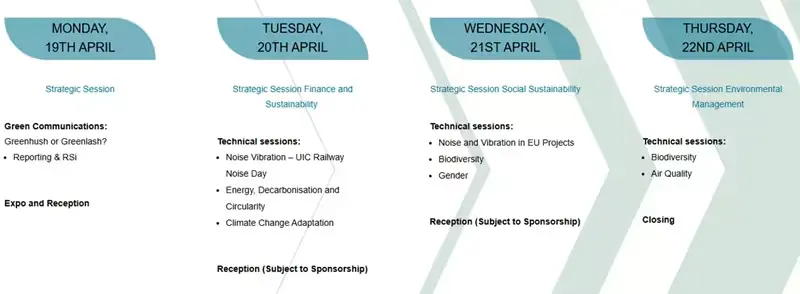
Rail Event - Railways connecting wildlife as well as people and goods: A focus on biodiversity
Ongoing projects

The ECOV4R Projects aim to deliver a clear, resilient, reproducible and audit-ready ecosystem service valuation method for railway infrastructure. The framework is currently being applied and tested in two different sites for validation and broader applicability.
More information is available on the Project page.

The EU-RAIL finance project SYMBIOSIS is a pioneering interdisciplinary initiative aimed at integrating biodiversity throughout the lifecycle of railway infrastructure projects, fostering a collaborative and holistic approach to create sustainable and resilient infrastructure, whilst contributing to a unified European biodiversity baseline
More information is available on the Project page.

The LIFE-NATURE-RAIL Project is set to demonstrate and test zero-chemical, flexible and multimethod approaches for vegetation management along railway inspection path.
More information is available on the Project page.

The BISON project addresses the urgent need to make infrastructure more sustainable for biodiversity in Europe, focusing on adapting to climate change, reducing the impact of invasive species, and supporting biodiversity in the development of new transport infrastructure. The project is a timely response to the challenges posed by climate change and infrastructure development, particularly in Eastern Europe
More information is available on the Project page.

The purpose of the rEvERsE project is to understand railway’s role in the loss and gain of biodiversity and its habitats in Europe, developing a collecting vision for protecting and enhancing the wildlife value of the European rail network. The project is a critical milestone in the development of the UIC Biodiversity Strategy, setting the guidance for the sector globally.
More information is available on the Project page.

The TRISTRAM project focuses on transitioning European railways from conventional chemical herbicides to a mix of sustainable vegetation control methods, including physical, mechanical, biological, and constructive techniques. Building on the UIC HERBIE project, it tests and adapts these methods under real operational conditions, aiming to create a comprehensive, multimethod vegetation control framework supported by digital tools. The project fosters collaboration between railways, industry, and research sectors to develop and implement innovative, sustainable solutions for vegetation management.
More information is available on the Project page.

Railways are well aware of their responsibility towards safe operation on the one side and optimum environmental performance on the other side. Therefore, they have developed dedicated and transparent guidelines and implemented integrated systems for vegetation management which comprise a great variety of methods and techniques – from constructional and mechanical to chemical, thermal and biological ones, depending on the area of application and the specific requirements with regard to railway operation.
The project lays on the need to set up a UIC strategy, including an international standard of best practice, on chemical weed control. Within this strategy, the chemical weed control has to be put in a wider context of sustainable land use. Therefore, the objectives of the project were to:
1) Check the use of existing methods and technologies at the railway companies, 2) Analyse the registered chemicals for railway use and 3) Identify new and promising methodical and technical approaches - eventually for further development.
Launched in 2008, the UIC Contaminated Soil Assessment Scheme project aimed to evaluate and develop systematic approaches for managing contaminated soil risks within the railway sector. The project focused on compiling an inventory of existing soil contamination assessment and management systems used by UIC member railways, in response to growing environmental regulations. Its goal was to provide support and guidance for railway companies in meeting European soil protection obligations and improving their contamination management strategies.
The UIC's vegetation control project, launched in 2000, aimed to reduce herbicide use in railways due to environmental concerns and pressure to lower costs. It focused on assessing acceptable vegetation levels, promoting non-chemical methods in herbicide-restricted areas, and developing a vegetation management system. The project addressed the environmental impact of herbicides and their limited long-term effectiveness in controlling vegetation.
rEvERsE project

The UIC Sustainable Land Use Sector is committed to excellence, working with high-quality partners to drive environmental strategies the railway sector. Strategic collaboration through Memoranda of Understanding (MoUs) and bilateral agreements with leading organizations enhance knowledge exchange, resource sharing, and joint dissemination efforts while supporting technical activities that advance sustainable land use and biodiversity conservation in rail transport.
Memorandum of understanding with WWF-CEE (2020-2022)
UIC signed a memorandum of understanding with WWF Central-Eastern Europe. The main purpose of this MoU is to promote environmentally conscious rail transport in the countries of Central and Eastern Europe by enhancing international cooperation between the Parties. More information is available at the MoU page.

PDF · 1004 KB
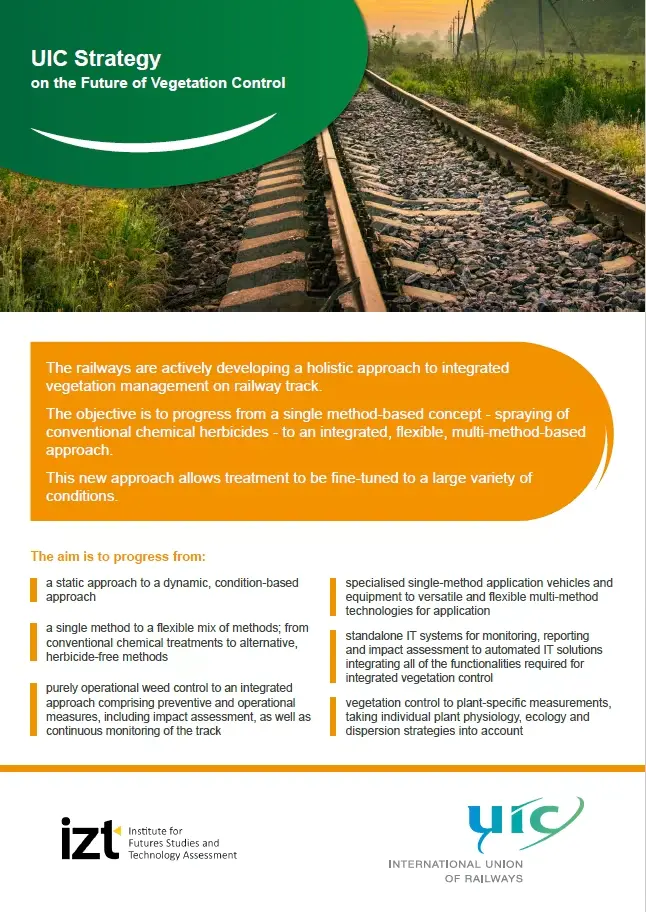
View uic-strategy-on-the-future-of-vegetation-control.pdf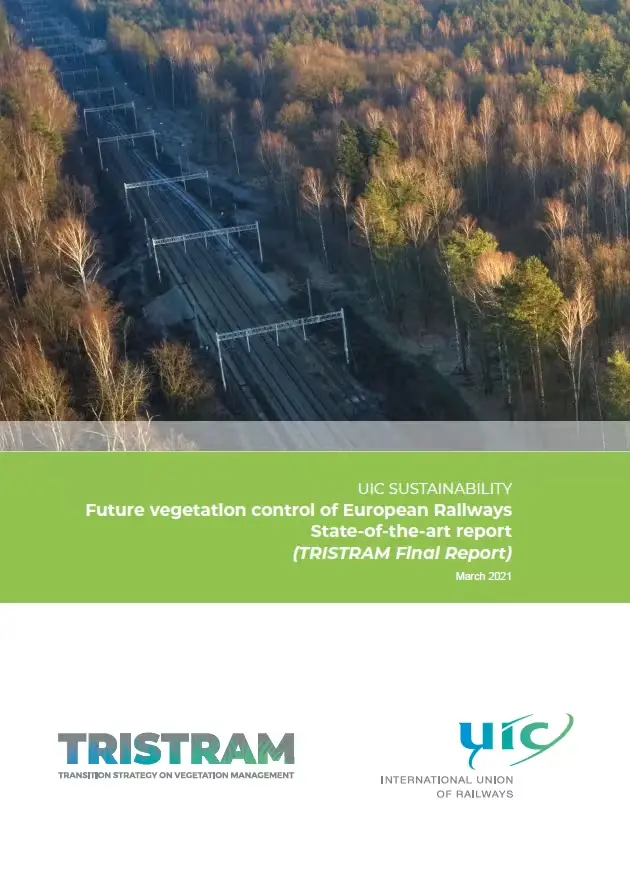
PDF · 7.1 MB
View uic_future_vegetation_control_of_european_railways.pdf
PDF · 7.2 MB
View uic_reverse_strategy_and_actions_for_biodiversity-2.pdf
PDF · 8.9 MB
View uic_reverse_guidelines_on_managing_railway_assets_for_biodiversity-2.pdf
PDF · 4.0 MB
View cover_page_herbie_-_state_of_the_art_report_of_weed_control_and_management_for_railways.pdf
PDF · 3.9 MB
View contaminated_soil_assessment_scheme-2.pdf
PDF · 428 KB
View railway_related_doil_polution_in_europe_final_report.pdf
PDF · 993 KB
View uic_alternative_vegetation_control_022303-uic-project-2003-2.pdf
PDF · 5.1 MB
View uic_vegetation_control_project_report_en_2_.pdfAdapting to Climate Change: Building a Resilient Railway Future Climate change presents unprecedented challenges and opportunities for the global railway sector
ExploreThe UIC report, “Carbon Footprint of Rail Infrastructure”, analyses the main existing reports and methodologies in the field and provides guidelines, recommenda
ExploreUIC is an internationally-accredited Non-Governmental Organisation in consultative relations with the United Nations since 1950 and was elevated to a special st
ExploreRail Sustainability Index project The Rail Sustainability Index (RSi) is a new tool being designed for and with the global rail community. The previously named
ExploreUIC Leaflet 330 Rail offers sustainable transport solutions and UIC Leaflet 330 “Railway specific environmental performance indicators” enables the sector – as
Explore